
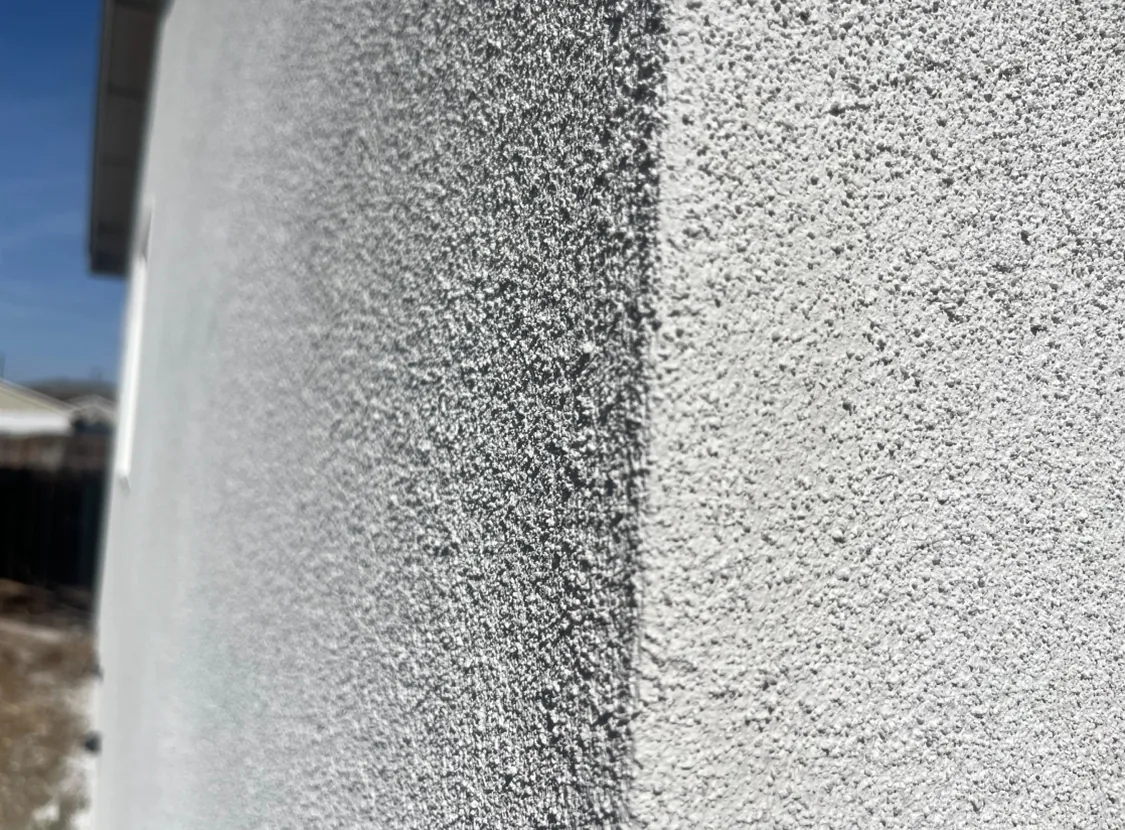
A crack shows where to look. It does not always show why the finish opened or whether the surrounding material is sound.
Why the last patch may not have held
A surface repair can fail when it covers the visible symptom while movement, a joint, an opening, loose material, or a water-related condition remains. Preparation also matters: repair material needs clean, sound edges and must be used within the selected system’s limits.
We do not diagnose concealed framing, sheathing, lath, flashing, or structural conditions from a photo. Photos help us locate the crack, understand its pattern, and decide what needs field review.
What a useful repair scope should answer
- Where the repair begins and ends
- What loose or deteriorated material is expected to be removed
- Whether the scope is limited to finish or includes deeper layers
- How the repair meets nearby openings, joints, and existing work
- How texture and color expectations will be handled
- What remains unknown until the area is opened
Start with three useful views
Send a photo of the full wall, a close view of the crack, and another view showing nearby windows, doors, rooflines, corners, or deck edges. Include any history of repeat patching, staining, or changes after rain.
Related AWC work and guidance
Read AWC’s stucco crack guide
A practical look at why the visible finish may not identify the source of a recurring crack.
Why new stucco can crack
Learn how curing, drying lumber, building movement, and moisture conditions can affect a rigid stucco finish.
Opening a wall can change the repair limits. Additional work requires documentation and written approval.